


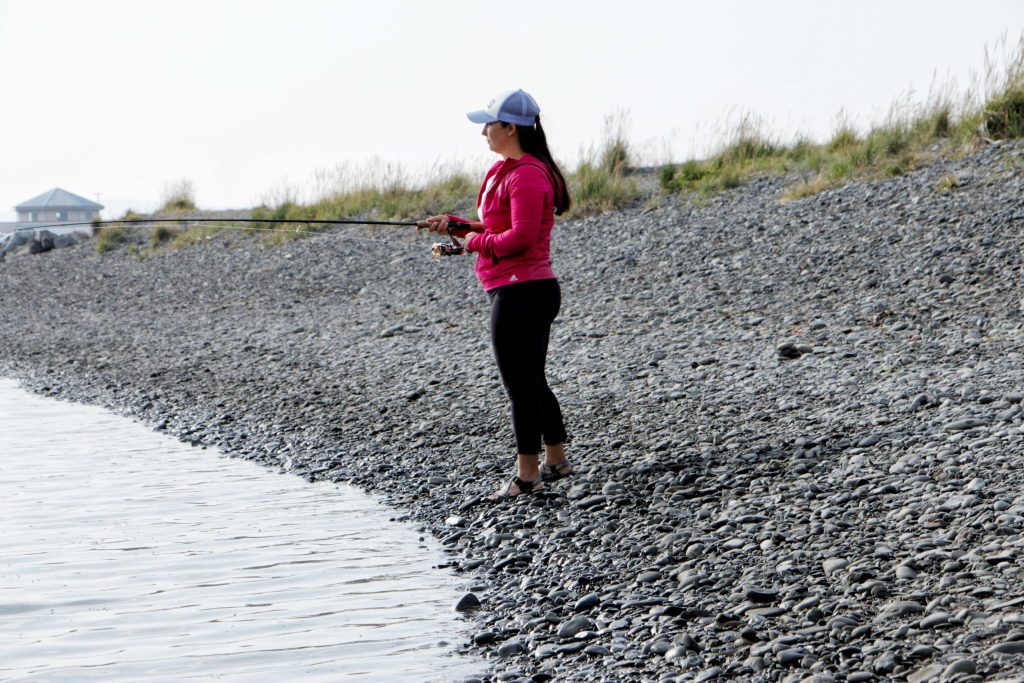
The Ultimate Guide to Fishing in Alaska In The Summer
If you’re dreaming of casting into glacier-fed rivers, reeling in wild salmon, or fly fishing in front of snowcapped peaks—fishing in Alaska is your kind of magic. It’s raw, wild, and absolutely unforgettable. But to do it right, you’ll need to know what to bring, where to go, and how to fish legally and safely in the Last Frontier. This guide covers everything you need: types of fishing, the best time and places to go, regulations to know, Alaska-specific quirks (hello, combat fishing!), and a complete shoppable packing list


Other Posts You Might Find Relavant:
-
-
-
Getting Hooked On Halibut Fishing
-
Good Times In Girdwood, Alask
-
-
Fishing in Alaska sounds simple — drop a line, pull up dinner. Right?
Not exactly. Between confusing regulations, fish that run only when they feel like it, limited access, fast-changing weather, and the fact that “waders required” is basically a lifestyle — fishing here can be anything but easy. But that’s also what makes it so rewarding.
This isn’t your average Saturday on the lake. It’s part patience, part problem-solving, and part hoping a bear doesn’t want your spot.
Welcome to Alaska fishing — beautiful, frustrating, and absolutely worth it.


Types of Fishing in Alaska
Alaska offers some of the most diverse and productive fishing in the world. Here are the most popular types you’ll encounter:
1. Fly Fishing
Ideal for trout, grayling, and salmon in rivers and streams. Especially popular on the Kenai Peninsula, Bristol Bay, and interior rivers.
2. Spin Fishing
Accessible and effective for salmon, Dolly Varden, and more. Great for both freshwater and saltwater spots.
3. Saltwater Fishing
Think halibut charters out of Homer or Seward, or salmon trolling near Juneau and Ketchikan.
4. Snagging
A legal but highly regulated method in some areas — especially during salmon runs. Often used when salmon stop biting but are still surging upstream. Know the rules before you try this one — it’s not allowed everywhere, and seasons vary by location. Snagging is generally only permitted when fishing from shore into saltwater. Keep an eye out for markers indicating where snagging zones end, and when in doubt ask a local.
5. Ice Fishing (Winter only)
Mainly done in the interior and near Fairbanks, usually for lake trout and burbot.


When Is the Best Time to Fish in Alaska?
It depends on what you want to catch:
-
-
-
King Salmon: Late May to early July
-
Sockeye Salmon: Late June to mid-July
-
Silver Salmon: August to September
-
Halibut: May through September
-
Rainbow Trout / Arctic Grayling: Spring through early fall
-
-
Pro Tip:
The peak of summer (June–August) offers the most action, longest daylight, and best weather.


Best Places to Fish in Alaska
-
-
-
Kenai River: Famed for giant kings and rainbow trout
-
Bristol Bay: Fly fishing paradise—remote, pristine, full of salmon
-
Homer: “Halibut Capital of the World” with amazing saltwater action
-
Seward & Whittier: Saltwater charters, plus shore fishing options
-
Fairbanks Area: Great for grayling and stocked lake fishing
-
Anchorage Urban Fishing: Yes, you can fish right in town!
-
-

Alaska Fishing Regulations You Need to Know
-
-
-
You need a license: Available online at adfg.alaska.gov.
-
Species-specific stamps: For King Salmon, you need an additional stamp.
-
Know your limits: Daily bag and possession limits vary by region.
-
Barbless hooks: Often required for catch-and-release fisheries.
-
Catch recording: Required for certain species (like kings).
-
-
⚠️ Always check the local Emergency Orders—they change constantly based on fish returns and environmental conditions.
⚠️ Every year, the Alaska Department of Fish and Game publishes a comprehensive Sport Fishing Regulations booklet by region—Southcentral, Southeast, Northern, Southwest—that breaks down seasons, bag and size limits, tackle rules, licensing requirements, and emergency orders. It’s an essential read before any trip, whether you’re planning to fish solo or join a charter. 📘 You can access the current booklets for all regions here:
🔗 Official Alaska Sport Fishing Regulations Booklets


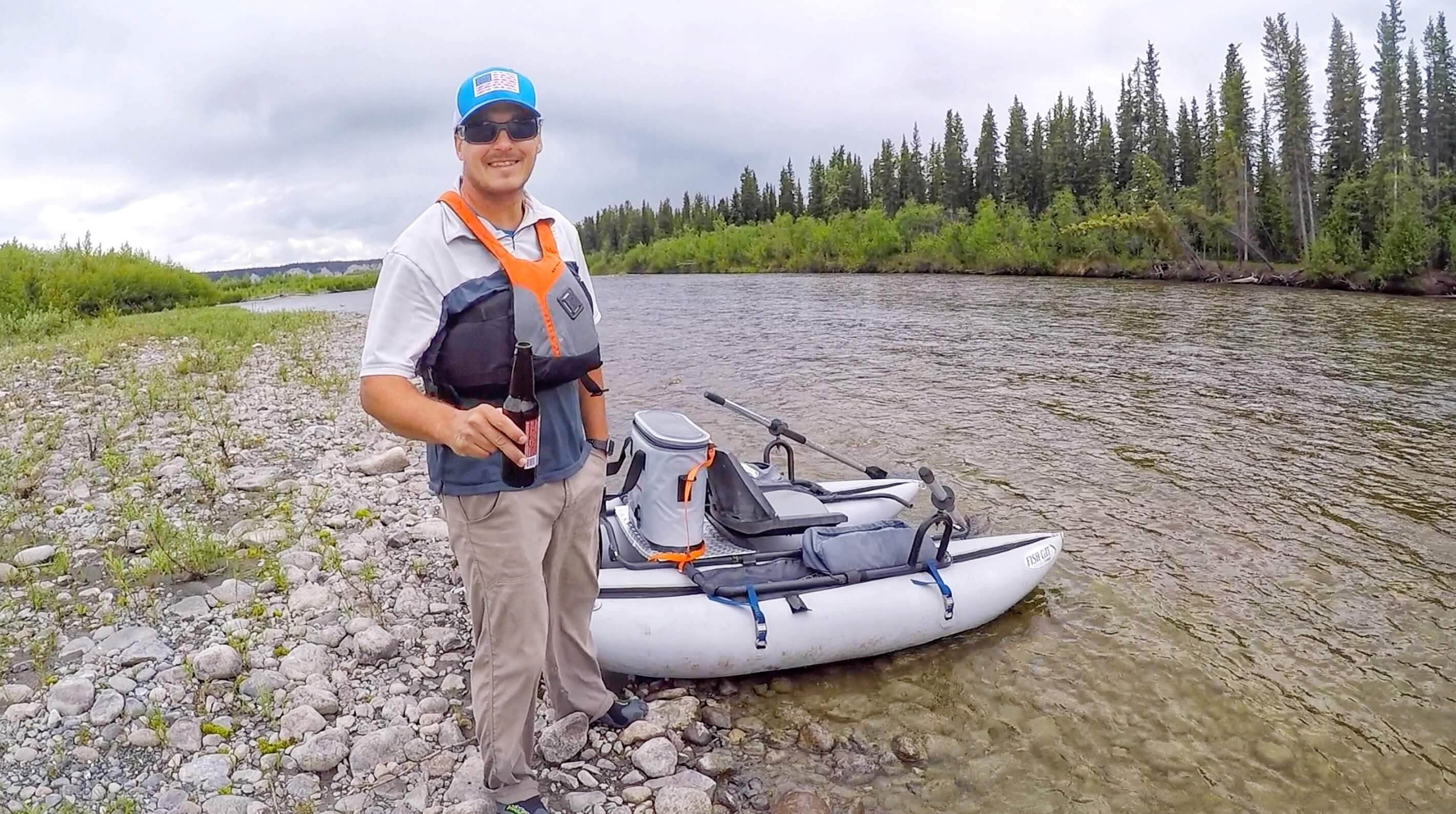
Alaska-Specific Fishing Tips
🐟 Combat Fishing
In high-salmon-run areas like the Russian River, you’ll experience combat fishing—shoulder-to-shoulder anglers. It’s wild but fun, and a unique Alaska tradition. With so many anglers packed into one space it’s important to be respectful and ALWAYS wear sunglasses to protect from stray hooks.
🧊 Cold, Wet Weather
Even in July, it can be cold. Dress in layers, and always bring rain gear.
🐻 Bear Safety
-
-
-
Make noise on trails.
-
Carry bear spray (available in Alaska only—can’t fly with it).
-
Store fish away from your tent or RV.
-
Don’t clean fish near camp, or on riverbanks.
-
-
😎 Sunglasses Are a Must
Polarized sunglasses help spot fish in the water—and protect your eyes from flying hooks and intense UV.
🧽 Clean Your Gear
To prevent the spread of invasive species, rinse your waders, boots, and equipment thoroughly between rivers.

🎒 What to Pack for Fishing in Alaska
This packing list is made up entirely of gear we’ve tested, trust, and love—with affiliate links for easy shopping through REI.
✅ Fishing Gear
-
-
-
Redington Salmon Field Kit Fly Rod Combo
Why We Love It: Great starter fly kit with quality components. -
Ugly Stik GX2 Spinning Combo
Why We Love It: Durable, budget-friendly, perfect for salmon. -
Plano Waterproof Tackle Box
Why We Love It: Keeps gear dry and organized. -
Osprey Archeon Chest Rig
Why We Love It: Compact, lightweight, holds everything you need on the water.
-
-
🧤 Waders & Footwear
-
-
-
Simms Tributary Waders (Men’s/Women’s)
Why We Love It: Breathable, great for Alaska’s rivers. -
Simms Freestone Wading Boots
Why We Love It: Top grip on slippery rocks. -
Orvis Heavy Weight Wading Socks
Why We Love It: Warm, fast-drying, and comfortable in cold water.
-
-
🧣 Layering & Protection
-
-
-
Patagonia Torrentshell 3L Rain Jacket
Why We Love It: Lightweight, fully waterproof, packs small. -
REI Co-op Puffy Jacket
Why We Love It: Warmth without bulk for cold mornings. -
OR Insect Shield Brim Hat
Why We Love It: Built-in neck protection, super lightweight. -
Buff UV Neck Gaiter
Why We Love It: Versatile protection from sun, wind, and bugs.
-
-
🐻 Bear Safety & Extras
-
-
-
Counter Assault Bear Spray
Why We Love It: EPA-certified and trusted across Alaska. -
Sea to Summit Dry Bags (5–10L)
Why We Love It: Keeps clothes, lunch, or gear dry riverside. -
Garmin inReach Mini 2
Why We Love It: Emergency SOS and texting off-grid. -
Adventure Medical Kits .7 First Aid
Why We Love It: Small but covers the essentials. -
Leatherman Signal Multi-Tool
Why We Love It: Always handy for cutting line, hook removal, and camp fixes. -
BearVault BV500 Bear Canister
Why We Love It: Required in many areas and super effective.
-
-
🧊 Bonus: How to Store or Ship Your Fish
Caught a freezer-full? Most towns have local processors who can flash-freeze, vacuum seal, and ship your fish home. Bring a cooler, or buy one locally.
🎯 Local Tip: Pack a soft-sided cooler in your checked luggage—fill it with fish and check it on the way home!
🧭 Final Thoughts
Fishing in Alaska is one of those once-in-a-lifetime adventures you’ll never forget. Whether you’re a total beginner or a seasoned angler, coming prepared makes all the difference. Use this guide to pack smart, fish legally, stay safe, and most importantly—have the time of your life out there.